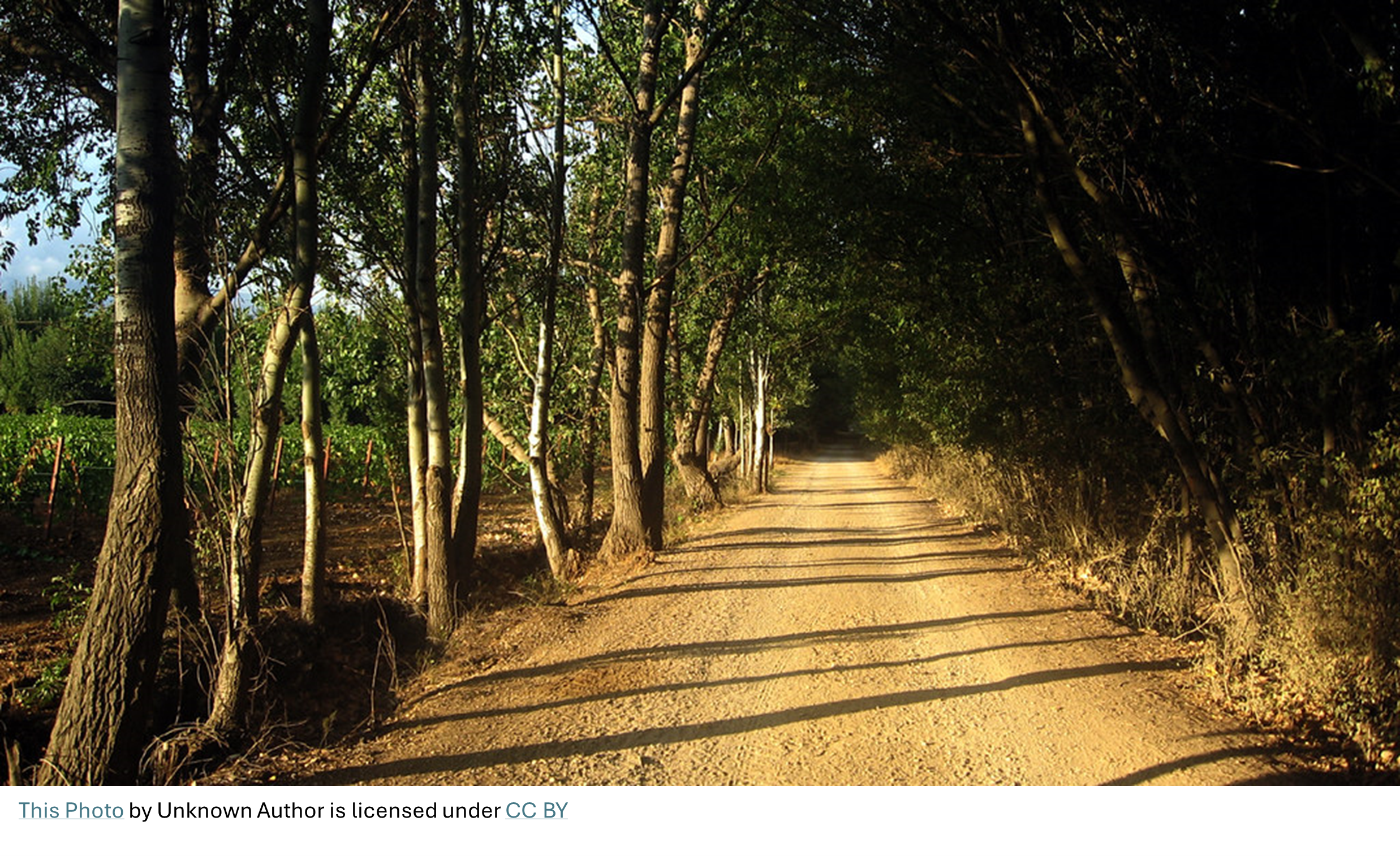
When my granddaughter came to visit last week, she came with her partner and his three-year-old daughter. It was the first four-generation gathering that we have had since my mom died ten years ago. While the little one had a wonderful time swinging on the swings, jumping with various “aunties” on the trampoline, and chasing (or being chased by) our chickens, there was a good deal of musing about how a child should be raised. Comparing child-rearing practices is inevitable when one generation meets the next. In today’s technological society it is not just about the proper technique or rewards vs punishment. It is also about becoming aware of how modern innovations, fast food or technology for example, can be used or abused. I went for a walk a while back and snapped a picture of some kids who were really cute. I got called out by their mom! Gone are the days when a parent would feel flattered, or amused, that you thought their family was worth remembering. It did not even occur to me that pictures today can be put online and shared for purposes that I would never dream of. With the mom standing by I erased the picture and went on my way, well chastened, and aware once again of how the world has changed. It is not enough to learn rules from prior generations when today’s situations often require new ways of interpreting old rules to remain relevant.
In Sunday’s gospel, Luke 13: 22-30, Jesus was asked if only a few people would be saved. Rather than answer the question, Jesus responded by telling people to try and enter by the narrow gate. Then he told a parable about people who were locked out of their master’s house even though they could claim that they ate and drank in his presence, while people from distant lands were allowed entrance. Luke then adds a phrase found twice in the gospel of Matthew, and once in Mark: “Some are last who will be first, and some are first who will be last,” a saying that tells us not to rely on privilege or status. The common understanding of entering by the narrow gate is equated with following the law or religious guidelines, with being an upstanding member of the church and society, but the added parable suggests something a little different since those who ate and drank with the master are rejected while people from other places are let in.
Teaching people to observe the law or abide by rules and guidelines, like teaching children how best to behave in the world, can be done in different ways. Some people do ‘what they are supposed to do’ out of fear, usually fear of punishment of some kind. Others follow the well-beaten path because they expect some kind of reward, like entrance into the master’s house. But there is another way, and it is more difficult, because the disciple, student, or follower, is required to make a commitment to following Jesus without regard to reward or punishment, but simply out of the desire to be a follower, to do God’s will. Without a strict set of rules to follow, with the path simply to follow Jesus, discernment and flexibility in light of the signs of the times are necessary, because our times are not the same as times in the past. In the parable, the people who ate and drank with the master can be likened to people who fulfill religious ritual obligations but live daily lives that do not reflect the compassion and love that Jesus taught.
The reference to people coming from the east and the west to sit at the banquet of God is a reminder that God, through Jesus, called all people, offering the forgiveness, salvation, and love of God to everyone. In today’s first reading from Isaiah 66: 18-21, the prophet says that God will gather the nations and send fugitives to far away places to gather siblings to God’s holy mountain. In the time in which the text was written, the verses were understood as a gathering of Jews scattered around the nations, but coupled with today’s gospel, we can discern that God has long been calling to all people. There is, however, still a narrow gate to address.
All are called. All are invited. But everyone who responds must strive to live in a way that emulates the compassion and love of God as they are capable of understanding it. Calling everyone does not mean we are given a free pass to live however we choose. However, the response will look different from person to person, culture to culture, or nation to nation, and from one era to the next. There is not just one way of living the law of love, because circumstances change, society evolves, knowledge expands, and God knows our hearts, our gifts, and the limitations that shape the way that each person approaches the holy mountain or seeks the narrow gate. This is frustrating for people who prefer, or demand, an outward show of equality in following a predetermined path, rather than reckoning with equity which takes into account each person’s ability to respond and requires discernment in changing times. The lives of those who have been given much - privilege, power, health, or education, etc. - should be held to a different standard than those who live under great duress or oppression, or otherwise suffer in ways that make their day-to-day lives drudgery. It is easier to fulfill the external requirements of the law when one has everything needed to live well, though fitting all of that privilege through the narrow gate may be more difficult than expected. Thus, the first may go last.
I remember once when I was helping to serve in St. Francis Dining Hall that there was a volunteer who was quite frustrated, even angry, with a number of people who had come to eat. He did not think they were sufficiently grateful because they were not saying thank you for the food they were receiving in a church basement because otherwise, they might go hungry. The volunteer was fulfilling an obligation to serve the poor by helping at the dinner meal, but their heart was still struggling to find the way. So it is with most people. The narrow way lies before us and we know we should follow lest we be punished, or if we want to receive our final reward, but the leap to consistently acting with love for the sake of love alone, whether or not a rule has been followed or broken, has yet to be achieved.
God, who is Love, continues to call us through the narrow gate.